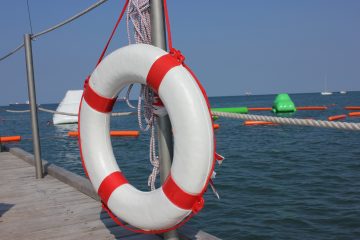

Water safety is often presented as a long list of rules, warnings, and worst-case scenarios. While awareness matters, too much information can have the opposite effect. People become tense, hesitant, and mentally overloaded, which actually increases risk. Staying safe in water is less about constant vigilance and more about building calm, simple habits that work automatically.
Safety starts with awareness, not fear
Feeling the environment before acting
Before entering water, take a moment to observe. Notice temperature, waves, visibility, and how others are moving. This quiet scan gives the brain context and reduces surprise. Sudden changes are what trigger panic, not the water itself.
Confidence grows from familiarity
People who feel safe in water are rarely fearless. They are familiar. They know how their body reacts, how buoyancy feels, and how breathing changes under mild stress. Familiarity replaces overthinking with intuition.
Breathing is your strongest safety tool
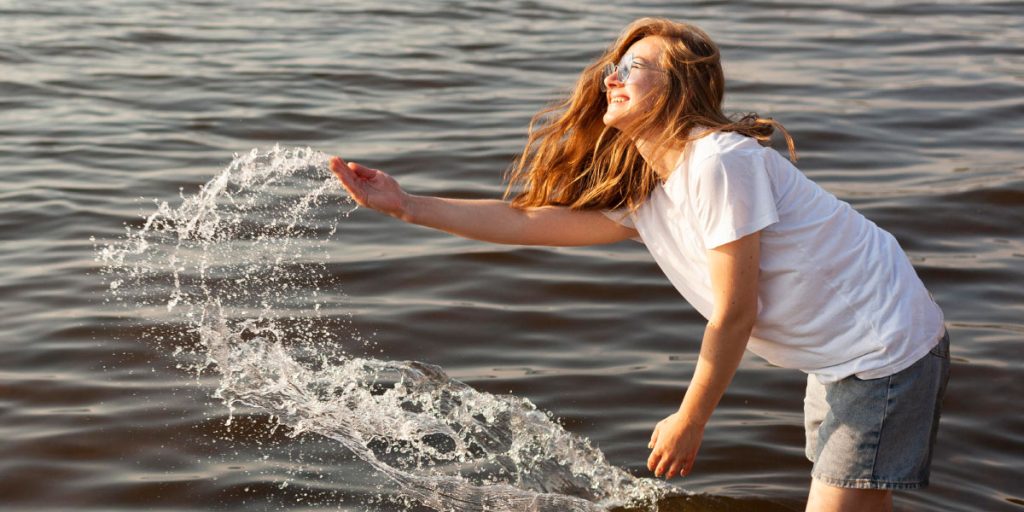
Calm breathing keeps decisions clear
Rapid breathing narrows focus and shortens reaction time. Slow, steady breathing does the opposite. It keeps the nervous system balanced and allows the body to respond smoothly if something unexpected happens.
Breathing sets the rhythm
In swimming or floating, breathing creates rhythm. A stable rhythm prevents rushed movements, which are often the cause of fatigue and mistakes. When breathing is controlled, movements naturally become more efficient.
Let the water support you
Floating is not a skill, it is a position
Many people forget that the human body naturally floats when relaxed. Tension pushes the body down, while relaxation allows water to carry weight. Knowing how to float on your back or front is one of the simplest ways to stay safe without effort.
Stillness is sometimes safer than motion
In unfamiliar water, constant movement increases energy loss. Floating calmly conserves strength and buys time. Safety does not always mean swimming hard. Sometimes it means doing less.
Simple movement beats perfect technique
Efficiency over speed
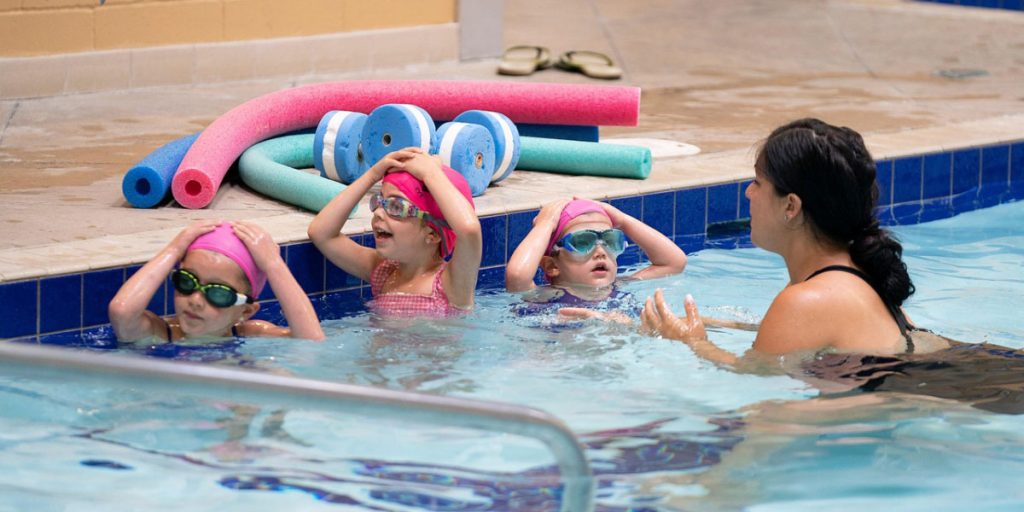
Trying to swim fast when unsure often leads to poor coordination. Slow, controlled movements maintain balance and direction. Efficient strokes reduce strain and help maintain body awareness.
Small adjustments prevent big problems
Minor changes in direction, posture, or pace are easier to manage than sudden corrections. Staying safe is often about noticing small signals early, not reacting dramatically later.
Respect conditions without obsessing over them
Conditions change, habits stay
Water temperature, currents, and depth can vary, but basic safety habits remain the same. Controlled breathing, relaxed posture, and steady movement adapt well to changing environments.
Avoid mental overload
Thinking through every possible risk pulls attention away from the present moment. Safety improves when focus stays on what the body is doing right now, not on imagined outcomes.
Trust built skills, not constant caution
Practice creates automatic responses
Regular time in water trains the body to respond without conscious effort. This automaticity is what keeps people safe when thinking slows down under stress.
Calm is a skill worth training
Calm behavior in water is not personality-based. It is trained through experience and repetition. The calmer the response, the safer the outcome.
Safety feels different when it becomes natural
True water safety does not feel tense or restrictive. It feels steady and grounded. When breathing is calm, movements are simple, and awareness stays present, safety becomes a background state rather than a constant concern. The goal is not to remove caution, but to replace overthinking with quiet confidence that allows the body to do what it already knows how to do.