
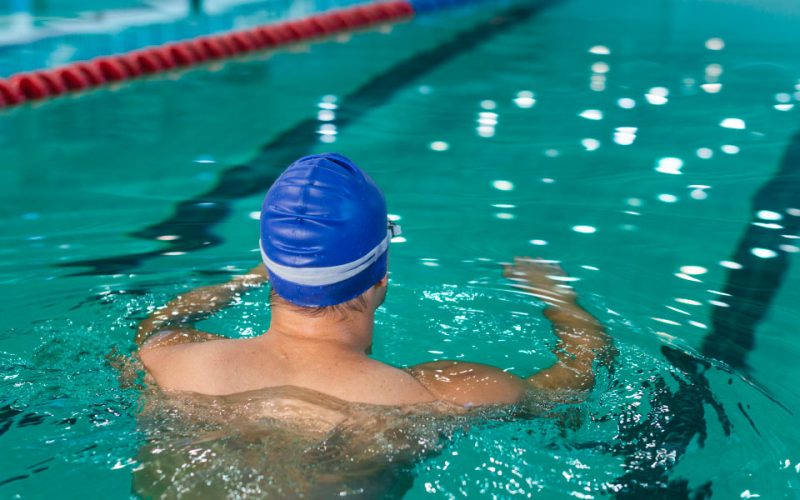
The first weeks in the pool often feel discouraging. Many beginners arrive motivated, convinced that swimming is something the body will simply “figure out.” After a few sessions, reality hits. Arms tire quickly, breathing feels chaotic, and progress seems invisible. This early frustration is one of the main reasons people quietly stop showing up.
What’s surprising is that most beginners struggle with the same few issues, regardless of age, fitness level, or athletic background. Understanding these early challenges can make the difference between giving up and finally feeling comfortable in the water.
Why the first weeks feel harder than expected
Swimming places the body in an environment it did not evolve for. Gravity behaves differently, air becomes scarce, and even simple movements demand coordination. On land, effort is obvious. In water, effort is hidden, which makes progress harder to measure.
The mismatch between effort and feedback
Beginners often work hard but see little immediate reward. Laps feel slow, breathing stays irregular, and muscles fatigue without the satisfying burn of a gym workout. This disconnect creates doubt, even when real improvement is happening beneath the surface.
Early gains in swimming are mostly neurological. The body learns balance, timing, and awareness before speed or endurance improves. These changes are subtle, which makes beginners believe they are “doing something wrong,” even when they are not.
Breathing, not fitness, is the real barrier
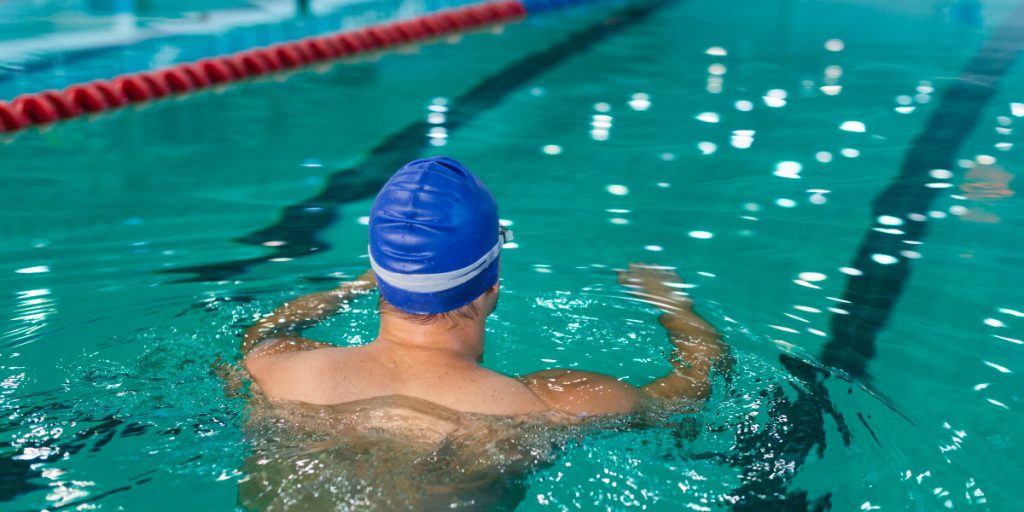
Many new swimmers assume their problem is poor conditioning. In reality, breathing is usually the main obstacle.
Holding the breath without realizing it
In stressful situations, the body defaults to breath-holding. Water triggers this instinct. Beginners often inhale too much, delay exhaling, or forget to breathe entirely. The result is tension, panic, and rapid exhaustion. How poor breathing affects everything else? When breathing is irregular, the body stiffens. Legs sink, strokes shorten, and coordination falls apart. This creates a vicious cycle where technique degrades, effort increases, and confidence drops.
Body position feels unnatural at first
On land, balance is automatic. In water, balance must be learned. Even confident adults struggle with the sensation of horizontal floating. Many lift their head subconsciously, which causes the hips and legs to drop. Swimming suddenly feels like pushing a heavy object through water.
Why floating is a skill, not a talent
Floating depends on relaxation, breath control, and trust in the water. These elements develop slowly. Beginners who understand this tend to progress faster than those who fight the water.
Trying too hard slows learning
Effort seems logical. If swimming is hard, the instinct is to push harder. In water, this often backfires.
Tension as a hidden enemy
Tight shoulders, clenched hands, and rigid kicks waste energy. They also disrupt rhythm. Many beginners swim with intensity when what they need is softness. Learning to reduce effort, not increase it. Efficient swimming feels almost counterintuitive. Progress comes from letting go, not forcing movement. This shift usually happens only after several weeks, once trust replaces anxiety.
Comparing yourself to others creates unnecessary pressure
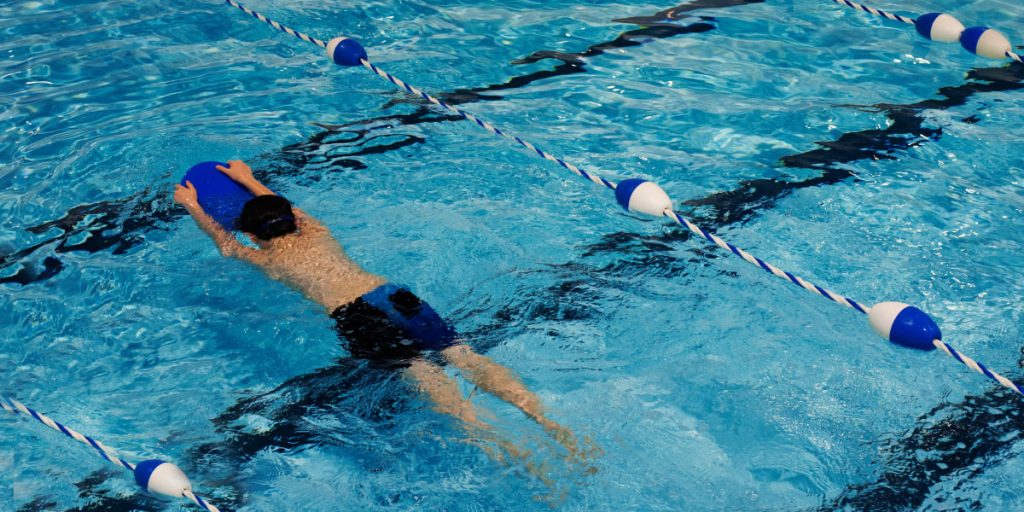
Public pools are full of visual distractions. Fast swimmers glide past effortlessly, reinforcing the feeling of being behind.
Experienced swimmers have spent years adapting to water. Their calm appearance hides thousands of hours of repetition. Beginners who compare themselves to others often underestimate how normal their struggles are.
Early success is better measured by comfort. Longer relaxed breaths, smoother turns, or reduced panic are stronger indicators of progress than lap times.
The moment things start to click
Most beginners experience a quiet breakthrough. Breathing becomes rhythmic. The body floats more easily. Movement feels less forced.
When swimming shifts from survival to flow? This moment rarely arrives suddenly. It creeps in session by session. Those who stay long enough almost always reach it.
Why patience matters more than talent? Swimming rewards consistency, not intensity. The first weeks are less about learning to swim fast and more about learning to stay calm.
