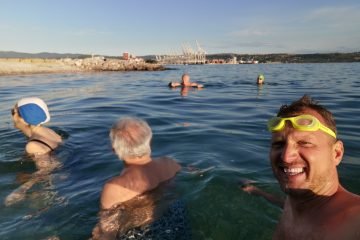
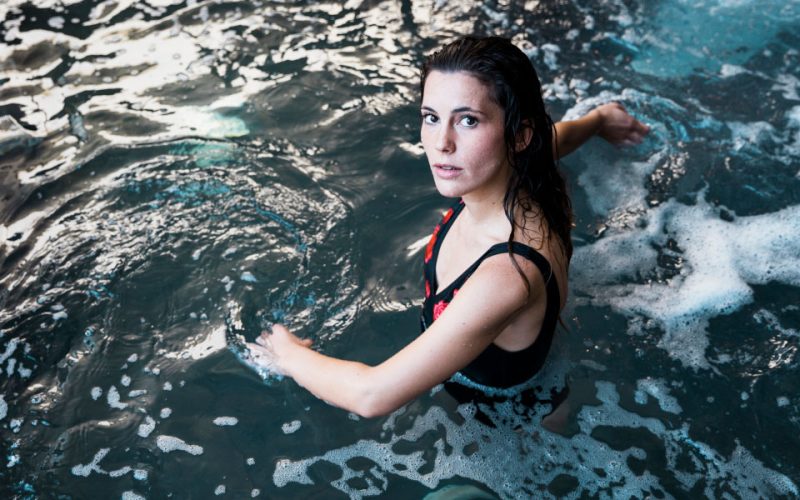
For many people, the first swimming lessons look surprisingly similar. Tight shoulders. Short, rushed breaths. Legs sinking. Arms working hard, yet progress is minimal. Coaches often hear the same explanation: fear of water. In reality, that is rarely the core problem.
Most beginners do not struggle because they are afraid. They struggle because they are fighting the water instead of working with it.
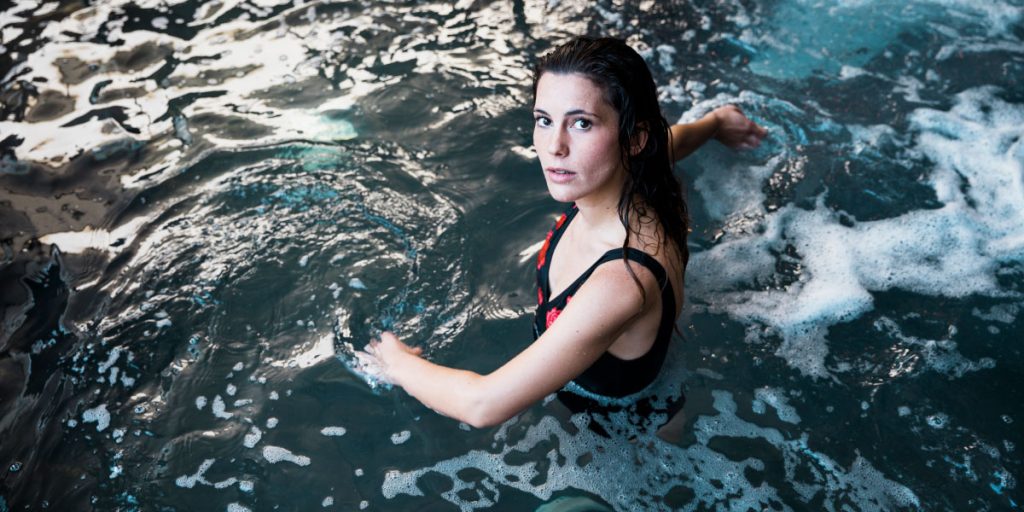
The real issue starts before the first stroke
The human body is naturally buoyant, but only if it is allowed to be. Beginners often enter the water already tense, holding their breath or breathing shallowly. This creates stiffness through the chest, neck, and hips.
Water quickly exposes tension. The more rigid the body becomes, the faster it sinks. This triggers even more effort, faster movements, and further loss of balance.
why tension feels like fear
Tension and fear look almost identical from the outside. Both raise the shoulders, lock the neck, and limit breathing. The difference is subtle but important. Fear is emotional. Tension is physical and learned.
Many adults bring land habits into the water. On land, we stabilize by tightening muscles. In water, the same instinct works against us.
Breath control changes everything
Breathing is often misunderstood. Beginners think they must “hold air” to float. In practice, this increases pressure and discomfort.
Slow exhalation into the water allows the chest to soften and the body to settle. Once breathing becomes rhythmic, balance improves almost instantly.
Balance comes before technique
Swimming instruction often focuses on arm movements too early. Without balance, no stroke works efficiently.
A balanced swimmer feels horizontal, supported, and calm. The head rests naturally, the hips rise, and movements become lighter. This is not a fitness issue. It is a coordination issue.
Small adjustments, big results
Simple changes can unlock progress quickly:
- releasing the neck instead of lifting the head
- slowing movements instead of speeding them up
- allowing the water to carry body weight
These moments often surprise beginners. What felt impossible suddenly becomes manageable, even easy.
Learning to trust the water
Trust is built through experience, not courage. Floating drills, gentle kicking, and slow breathing teach the nervous system that the water is not an enemy. Once trust replaces tension, fear usually disappears on its own.
Progress feels different than expected
Improvement in swimming rarely feels dramatic. It feels quieter. Movements slow down. Effort decreases. The swimmer stops fighting and starts gliding.
That is the moment many beginners realize the truth. The problem was never fear. It was tension. When tension fades, swimming begins to make sense.