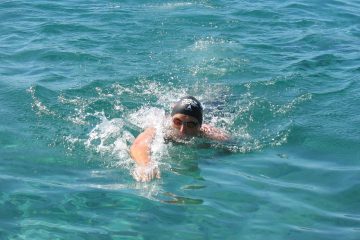
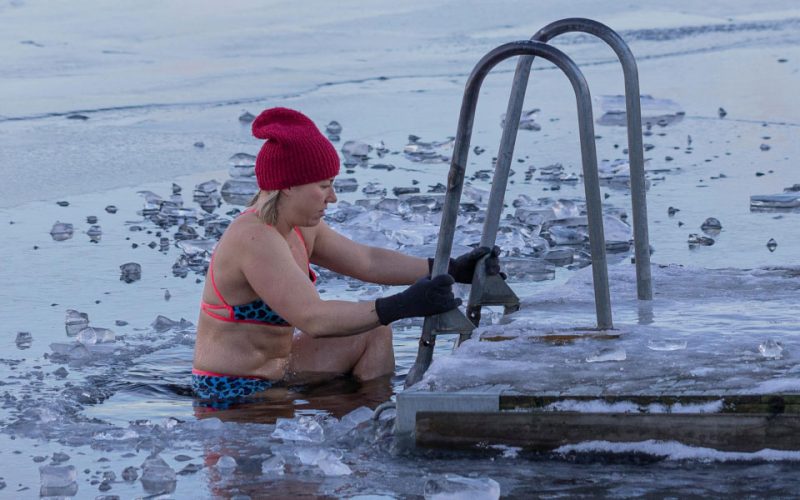
Stepping into cold water rarely feels neutral. The first seconds are intense, sometimes overwhelming, and often described as a shock. Breathing shortens, muscles tense, and the body reacts before the mind has time to catch up. Yet something curious happens soon after. If you stay still and breathe, the same water that felt hostile begins to feel calmer, even manageable. This shift is not imagination. It is biology, psychology, and adaptation working together.
The body’s alarm system activates instantly
Cold shock is a survival response
When cold water touches the skin, nerve endings send rapid signals to the brain. The body interprets this as potential danger. Heart rate increases, breathing becomes quick and shallow, and blood vessels near the skin constrict to protect vital organs. This reaction is known as the cold shock response and it evolved to keep humans alive in extreme conditions.
Breathing reacts before thoughts do
One of the strongest effects of cold water is on breathing. The initial gasp is automatic. Even confident swimmers experience it. This is why entering cold water slowly and with control is often safer than jumping in. The body needs time to register that the situation is not a threat.
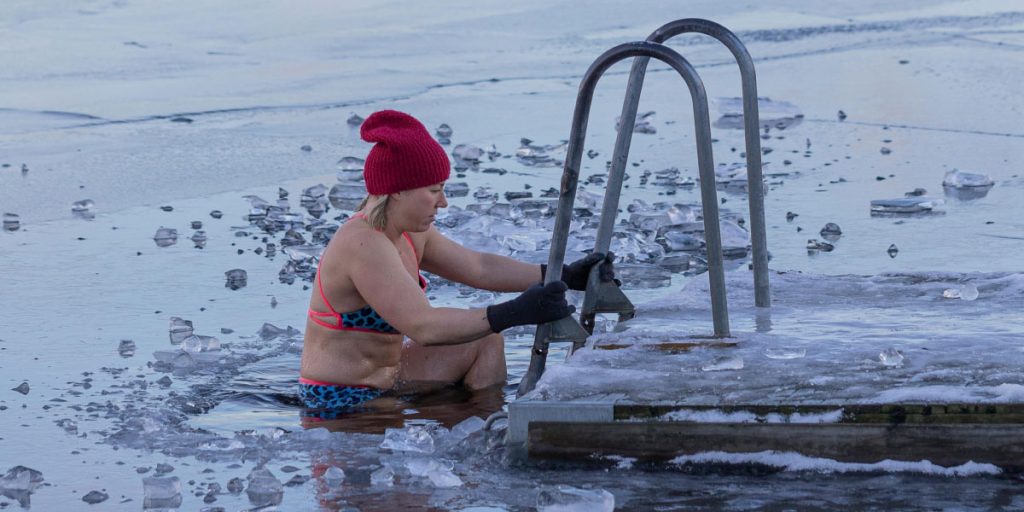
Why the shock fades faster than expected?
The nervous system recalibrates
After the first minute, the brain begins to reassess the situation. No immediate harm is detected, so the stress response gradually decreases. Breathing slows, heart rate stabilizes, and muscles loosen. The water temperature has not changed, but perception has.
Sensory adaptation reduces intensity
Cold receptors in the skin adapt quickly. They fire intensely at first, then reduce their signals. This sensory adaptation explains why cold water feels less sharp after a short time, even though it remains cold in absolute terms.
The role of breathing in calming the body
Slow breaths change the experience
Controlled breathing plays a central role in the transition from shock to calm. Deep, slow exhales activate the parasympathetic nervous system, which counteracts stress. This is why swimmers, cold-water enthusiasts, and even medical professionals emphasize breathing control in cold exposure.
Panic keeps the shock alive
If breathing stays rapid and shallow, the body remains in alarm mode. Calm breathing sends a different message: the situation is under control. The shift from shock to calm is not passive. It is guided by how the body responds internally.
Why calm can turn into comfort
Endorphins change perception
Cold exposure triggers the release of endorphins and other neurotransmitters associated with alertness and well-being. This chemical response can create a surprising sense of clarity or calm after the initial discomfort passes.
Focus replaces resistance
Once the mind stops fighting the sensation, attention shifts. Movements feel more deliberate, the water more predictable. For swimmers, this often leads to smoother strokes and better rhythm, even in cold conditions.
Cold water and swimming performance
Technique matters more than temperature
Experienced swimmers know that cold water punishes tension. Tight muscles waste energy and increase fatigue. Relaxation, efficient movement, and controlled breathing become even more important. The calmer the swimmer, the warmer the experience feels.
Training the response, not the cold
Regular exposure to cooler water does not make someone immune to cold, but it trains the response. The shock phase becomes shorter, and the transition to calm happens faster. This adaptation is one reason open-water swimmers appear comfortable in conditions that unsettle others.
When calm does not mean safe
Cold still affects the body
Even after the shock fades, cold water continues to lower body temperature over time. Calm does not equal safety. Extended exposure without proper movement or insulation can still lead to hypothermia.
Awareness stays essential
Understanding why cold water feels calmer later should encourage respect, not complacency. The body adapts, but its limits remain real.
A predictable shift, once understood
The journey from shock to calm in cold water follows a clear pattern. The body reacts, reassesses, and adapts. What feels unbearable at first often becomes manageable within minutes, especially with controlled breathing and relaxed movement. This knowledge changes how people approach cold water, not as an enemy, but as an environment the body can learn to navigate.