Our website use cookies to improve and personalize your experience and to display advertisements(if any). Our website may also include cookies from third parties like Google Adsense, Google Analytics, Youtube. By using the website, you consent to the use of cookies. We have updated our Privacy Policy. Please click on the button to check our Privacy Policy.

origin

20 Posts
What swimming instructors notice within the first five minutes of a lesson

What swimming instructors notice within the first five minutes of a lesson

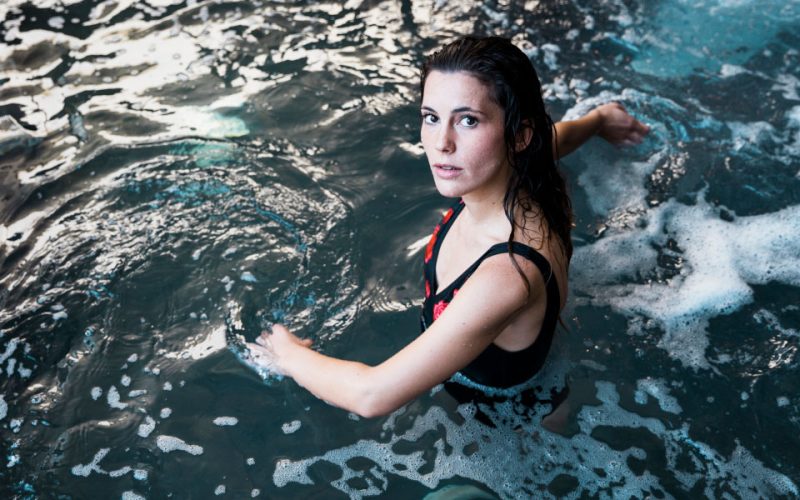
The first five minutes of a swimming lesson rarely look dramatic. No stopwatch pressure, no complex drills, no technical language. And yet, for an experienced swimming instructor, those opening moments reveal almost everything. Before a swimmer completes a single lap, subtle signals already show how fast they will progress, what will hold them back, and where the lesson truly needs to begin. The way a swimmer enters the water Hesitation speaks louder than words Instructors pay close attention to how a swimmer approaches the pool. A slow, cautious entry often signals uncertainty, not necessarily fear, but unfamiliarity with water control.…
Read More
Many beginners struggle in water for the same reason – and it’s not fear

Many beginners struggle in water for the same reason – and it’s not fear

For many people, the first swimming lessons look surprisingly similar. Tight shoulders. Short, rushed breaths. Legs sinking. Arms working hard, yet progress is minimal. Coaches often hear the same explanation: fear of water. In reality, that is rarely the core problem. Most beginners do not struggle because they are afraid. They struggle because they are fighting the water instead of working with it. Fear of water The real issue starts before the first stroke The human body is naturally buoyant, but only if it is allowed to be. Beginners often enter the water already tense, holding their breath or breathing…
Read More
Why a kickboard is the best learning tool in swimming

Why a kickboard is the best learning tool in swimming

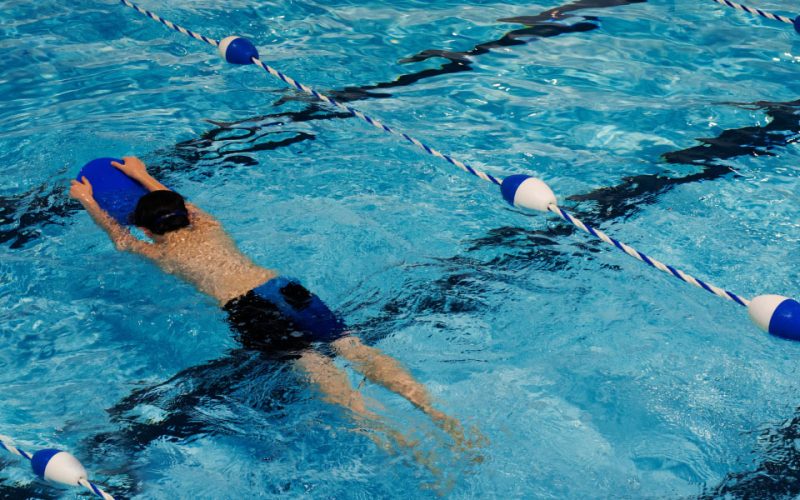
Learning to swim is rarely about strength alone. It is about confidence, body position, breathing, and the ability to stay relaxed in water that does not forgive tension. Among all swimming aids, one stands out as quietly essential from the very first lesson to advanced technique work: the kickboard. Often underestimated, this simple foam board plays a central role in how swimmers of all ages learn faster, safer, and with fewer bad habits. A simple tool that removes the biggest fear Floating first, swimming later For beginners, the greatest obstacle is not technique, but fear of sinking. A kickboard provides…
Read More
The most common swimming mistakes beginners make – and how to fix them fast

The most common swimming mistakes beginners make – and how to fix them fast

For many adults, swimming sits somewhere between a sport, a life skill and a quiet ritual. It is one of the rare activities where strength alone means very little. The water reacts differently to every movement, and beginners quickly discover that the hardest part is not endurance but coordination. What looks simple - a smooth stroke, a steady breath, a balanced body position - often feels complicated when attempted for the first time. Coaches around the world witness the same set of beginner mistakes regardless of age, background or fitness level. These errors are not signs of poor ability but…
Read More
Swimming in murky rivers: What you need to know

Swimming in murky rivers: What you need to know

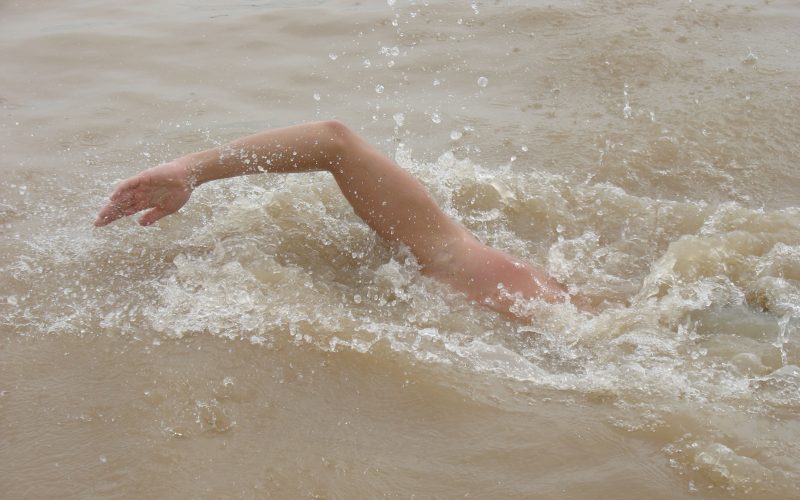
Swimming in murky rivers can be safe and enjoyable, but only with proper awareness and precautions. Here’s how to stay smart and safe when the bottom disappears. During the summer, rivers become popular swimming spots — refreshing, natural, and often less crowded than pools. But what happens when the water is muddy or visibility is close to zero? Murky rivers - why are they so problematic 1. Understand why murky rivers can be dangerous Murky water isn’t always dangerous — it’s often caused by: Silt or sediment from upstream movement Rainwater runoff stirring up the riverbed Organic material like leaves…
Read More
How to prevent drownings

How to prevent drownings

How to prevent drownings? With furter knowledge. Drowning is quick, silent, and often happens when you least expect it. But the good news? It’s preventable. Whether you're at a pool, lake, or the sea — knowing how to stay safe and keep others safe can save lives. Here’s what every swimmer, parent, and water lover should know about drowning prevention. Tips for prevent drownings: 1. Learn to swim to prevent drownings It may sound obvious, but strong swimming skills are the best defense against drowning. Enroll in swimming lessons — not just for kids, but adults too. It’s never too…
Read More
Swimming in cold water

Swimming in cold water

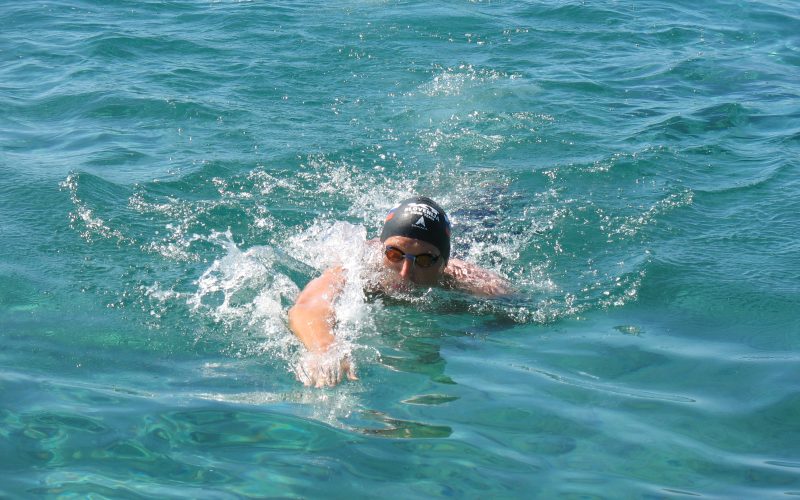
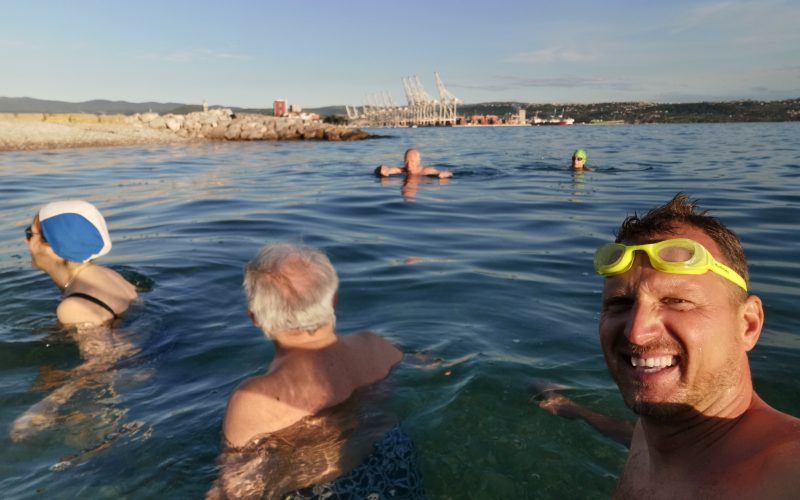
Cold water swimming is exhilarating — it boosts circulation, improves mood, and connects you to nature in a powerful way. But for many, the initial shock of cold water can be overwhelming. The good news? You can train your body and mind to handle it safely and enjoyably. Here’s how to cope with cold water swimming — step by step. 1. Understand the effects of cold water When you enter cold water (especially under 15°C / 59°F), your body reacts immediately: Sharp intake of breath (cold shock response) Increased heart rate and blood pressure Numbness in hands and feet These…
Read More
Learn to swim as an adult – FIRST STEP

Learn to swim as an adult – FIRST STEP

Learn to swim as an adult who is afraid of water but deeply wants to learn how to swim, you're not alone — and it's never too late. Many people carry fear from childhood, a past experience, or simply never had the chance to learn. Here's a supportive, step-by-step guide to help you begin. fbt Learn to swim as an adult 1. Accept that being an afraid adult learning to swim is completely normal Fear of water is common, especially among adults who didn't grow up swimming. There is no shame in being afraid or not knowing how to swim…
Read More
Where to start with swimming?

Where to start with swimming?

Where to start swimming can be a question. Whether you're looking to learn how to swim, improve your technique, or simply feel safer and more confident in the water — welcome. Swimming is not just a sport; it’s a life skill, a way to stay healthy, and even a form of meditation. But where do you begin? ø; 1. Define your goal where to start swimming Are you: A complete beginner? Looking to swim for fitness? Preparing for open water or triathlon? Interested in winter swimming? Identifying your “why” helps shape your journey. 2. Find the right environment to start…
Read More
Night Swimming – Yes or No?

Night Swimming – Yes or No?

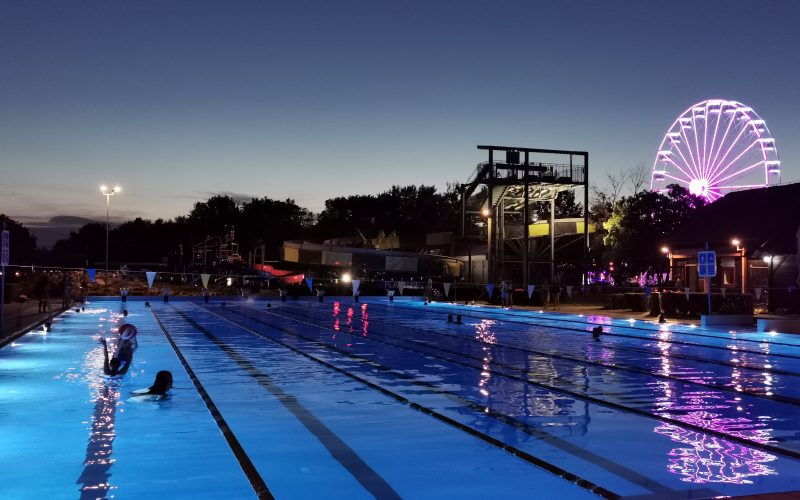
Night swimming - THE experience. There’s something magical about being in the water at night — the calm, the silence, the stars above. Night swimming can feel adventurous, even meditative. But is it safe? Should you do it? Let’s explore the pros, the risks, and the safety essentials to help you decide if night swimming is right for you. Pros and cons for night swimming Why people love Peace and Solitude: The water is usually quiet, with fewer people around. Cooler Temperatures: Ideal during hot summer nights when daytime heat is overwhelming. Unique Experience: Swimming under the moon or stars…
Read More
Swim Origin
Privacy Overview

This website uses cookies so that we can provide you with the best user experience possible. Cookie information is stored in your browser and performs functions such as recognising you when you return to our website and helping our team to understand which sections of the website you find most interesting and useful.