The first five minutes of a swimming lesson rarely look dramatic. No stopwatch pressure, no complex drills, no technical language. And yet, for an experienced swimming instructor, those opening moments reveal almost everything. Before a swimmer completes a single lap, subtle signals already show how fast they will progress, what will hold them back, and where the lesson truly needs to begin.
The way a swimmer enters the water
Hesitation speaks louder than words
Instructors pay close attention to how a swimmer approaches the pool. A slow, cautious entry often signals uncertainty, not necessarily fear, but unfamiliarity with water control. Confident learners tend to enter decisively, even if their technique is poor.
Body tension is immediately visible
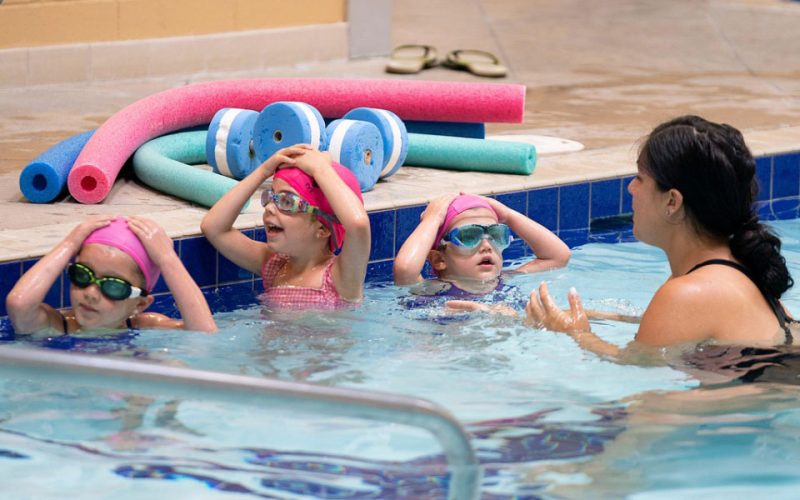
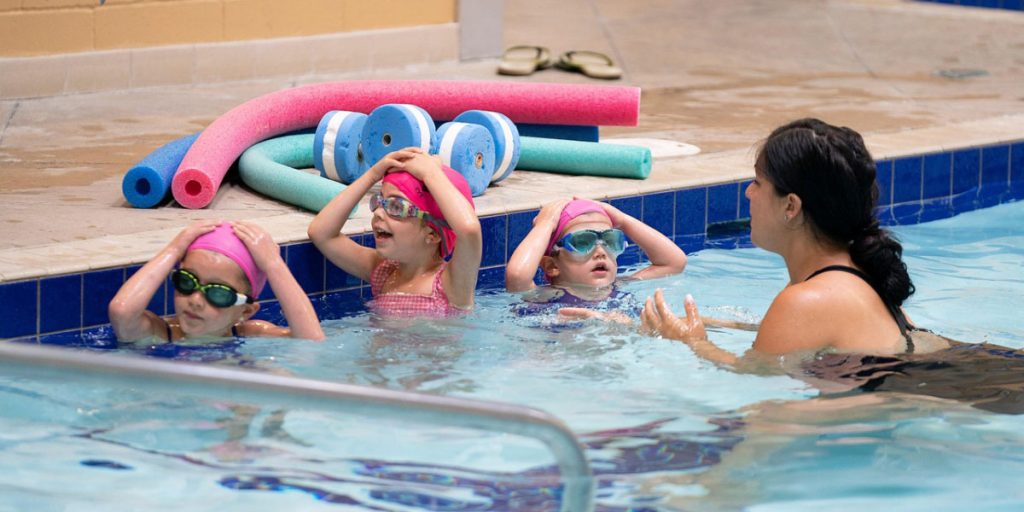
Shoulders raised, clenched hands, stiff neck. These signs appear within seconds and tell the instructor that relaxation, not speed or strength, must come first. Tension is one of the biggest barriers to learning and is always addressed early.
Floating ability reveals real comfort
Can the body trust the water
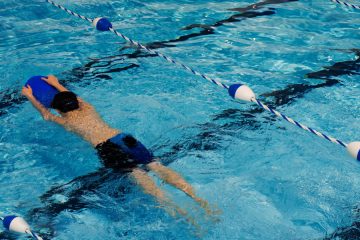
Before any stroke work begins, instructors often observe how a swimmer floats or pushes off the wall. A body that sinks quickly usually fights the water. A body that floats naturally shows acceptance and balance, even if the swimmer lacks coordination.
Breathing patterns appear instantly
Holding breath, shallow inhaling, or rushed exhaling are noticed almost immediately. Instructors know that poor breathing will affect every stroke later, so this detail shapes the entire lesson plan.
Kicking tells more than arm movement
Legs expose efficiency or struggle
Within the first kicks, instructors see whether movement comes from the hips or the knees. Beginners often kick from the knees, wasting energy. This is not a flaw, but a starting point that defines how instruction will progress.
Splashing is a signal, not a mistake
Excessive splashing usually means the swimmer is trying too hard. Calm water behind the swimmer suggests better balance and understanding, even at a slow pace.
Head position reveals confidence
Where the eyes look matters
A lifted head often means the swimmer is searching for security. Looking forward or down calmly shows trust in buoyancy. Instructors adjust technique based on this immediately, often before correcting arms or legs.
Neck tension affects the whole body
A stiff neck restricts rotation and breathing. Experienced instructors spot this instantly and know that correcting head position will improve everything else without additional effort.
Reaction to simple instructions
Listening under pressure
In the first few minutes, instructors test how swimmers respond to basic cues. Can they adjust quickly, or do they overthink? This determines whether teaching should be visual, verbal, or physical demonstration-based.
Adaptability predicts progress
Some swimmers change instantly after one suggestion. Others need repetition and reassurance. Neither is wrong, but instructors adapt their teaching style based on this early response.
Use of training aids
Comfort with simple tools
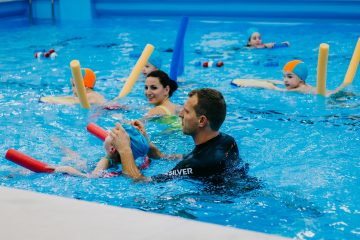
How a swimmer reacts to a kickboard or pool noodle reveals mindset. Those who see aids as support tend to progress faster than those who view them as a sign of weakness.
Willingness to experiment
Instructors notice whether swimmers are curious or defensive when given aids. Openness often leads to quicker breakthroughs later in the lesson.
Emotional signals beneath the surface
Frustration appears early
Small sighs, rushed movements, or forced speed show impatience. Instructors recognize this as a sign to slow down, not push harder.
Enjoyment changes everything
A swimmer who smiles, even briefly, is learning faster than they realize. Enjoyment reduces tension and improves coordination without conscious effort.
Why the first minutes matter so much
The opening moments of a swimming lesson are diagnostic. They allow instructors to see the swimmer, not just the technique. By observing posture, breathing, movement, and emotional response, experienced coaches adjust the entire lesson plan before the swimmer notices anything has changed.
Swimming progress rarely depends on strength or age. It depends on awareness, trust, and how the body interacts with water. That truth becomes clear long before the first lap is finished.