
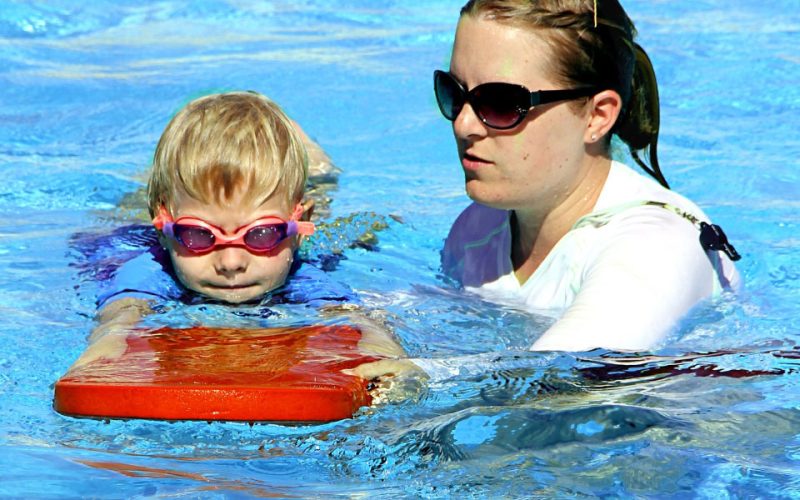
Walk onto any pool deck during a beginner lesson and you might think coaches improvise. One swimmer practices breathing at the wall, another floats with a kickboard, a third moves their arms awkwardly through the water. From the outside, it can look chaotic. In reality, experienced swimming coaches follow a clear internal logic when deciding what comes first.
That logic is rarely about strokes, distances, or fitness. It is about control, safety, and confidence, built in a very specific order.
Coaches start by watching, not instructing
Before a single drill is explained, most coaches spend time observing. The first minutes of a lesson often decide the entire teaching path.
Body position reveals more than speed
How a swimmer enters the water, how they stand, how tense their shoulders look. These details tell a coach far more than how fast someone can move from one wall to the other. A stiff neck or raised shoulders signal breathing issues long before breathing is addressed directly.
Water comfort comes before water skills
A swimmer who looks relaxed but slow is easier to teach than one who moves quickly while panicking. Coaches prioritize emotional comfort because technique cannot survive tension.
Breathing almost always comes first, quietly
Many beginners believe coaches start with arm movements or kicking. In practice, breathing sits at the center of early decision-making.
Uncontrolled breathing blocks everything else
If breathing is rushed or held, the body stiffens. Legs sink, arms shorten, rhythm disappears. Coaches know that teaching technique on top of poor breathing is wasted effort.
Breathing drills rarely look like breathing drills
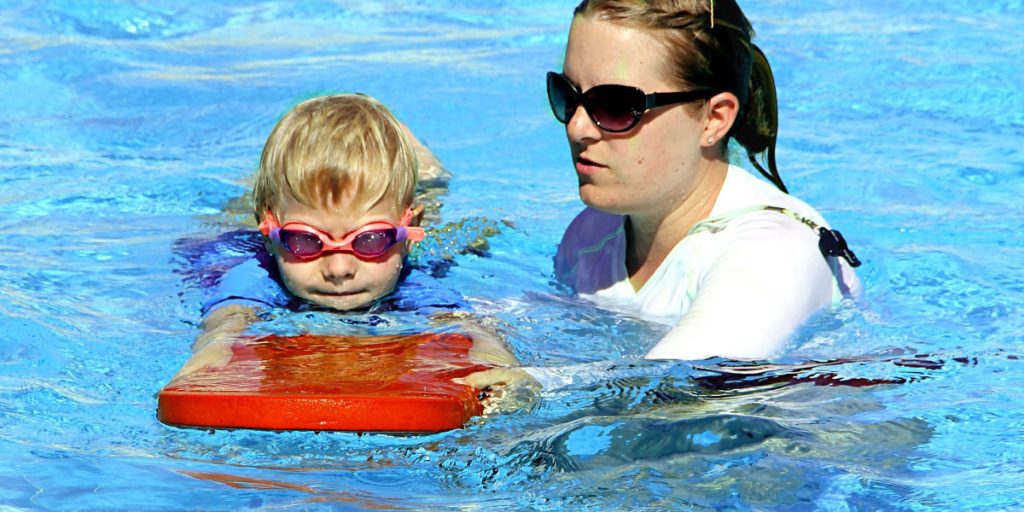
Instead of formal instructions, coaches often use floating, gliding, or simple wall exercises. These create natural breathing patterns without overthinking.
Floating is the real foundation
Floating sounds basic, even childish. Coaches know it is one of the most advanced beginner skills.
Balance before propulsion
If a swimmer cannot balance in the water, adding movement only increases struggle. Coaches look for stillness first. A calm float tells them the swimmer is ready to move on.
Trust in the water changes learning speed
Once a swimmer trusts that the water will hold them, progress accelerates. Fear consumes attention that could be used for coordination.
Kicking is taught to stabilize, not to power
Beginners often assume kicking is about speed. Coaches think differently.
Legs are anchors, not engines
Early kicking drills are designed to support body position, not to push forward. Strong kicks with poor balance usually make swimming harder.
Overactive legs signal missing basics
When legs move too much, coaches often go backward rather than forward in the lesson plan. Excess movement usually hides a balance or breathing issue.
Arm technique comes later than most expect
Arm movements look like swimming, so beginners fixate on them. Coaches deliberately delay them.
Arms amplify existing problems
If timing, balance, or breathing are off, arm technique magnifies the mistake. Coaches prefer to fix the base before adding complexity.
Simple shapes before full strokes
Early arm work focuses on feeling water, not completing perfect strokes. Sensation matters more than form at this stage.
Coaches adjust order more than content
There is no universal checklist that applies to everyone. Two swimmers in the same lesson may receive entirely different instruction sequences.
Age, fear, and background matter
An adult who fears water learns differently from a child who splashes confidently. A former runner brings different habits than someone new to sport.
Progress is non-linear by design
Coaches often revisit earlier skills. This is not regression. It is refinement. Each return deepens understanding.
What beginners often misunderstand
Many swimmers think they are being held back when lessons feel slow. Coaches see the opposite.
Teaching the wrong thing first costs more time later. When the foundation is solid, improvement looks sudden and effortless. When it is rushed, progress feels endless.
The best coaches do not teach what looks impressive. They teach what removes the next obstacle. From the outside, it may seem invisible. In the water, it changes everything.
